Home Care Service vs Assisted Living: Which Is Much better for Couples?
Business Name: FootPrints Home Care
Address: 4811 Hardware Dr NE d1, Albuquerque, NM 87109
Phone: (505) 828-3918
FootPrints Home Care
FootPrints Home Care offers in-home senior care including assistance with activities of daily living, meal preparation and light housekeeping, companion care and more. We offer a no-charge in-home assessment to design care for the client to age in place. FootPrints offers senior home care in the greater Albuquerque region as well as the Santa Fe/Los Alamos area.
4811 Hardware Dr NE d1, Albuquerque, NM 87109
Business Hours
Choosing in between remaining at home with assistance or moving into assisted living is never ever a cool spreadsheet decision, especially for couples. Most sets don't age in sync. One spouse might still handle the financial resources and the lawn, while the other battles with bathing securely or managing medications. The calculus isn't almost expense or amenities. It's about maintaining the relationship you've constructed together, keeping every day life familiar, and balancing safety with self-respect. I've sat at dining-room tables with adult children, notebooks open, while their moms and dads argued adoringly over who "needed more aid." I've visited assisted living neighborhoods where couples share a one-bedroom and a patchwork of services. There isn't a universal right answer. There is only the best fit for your situations, which can alter over time.
Below, I'll walk through how I evaluate this choice with families. We'll compare what in-home senior care can provide, how assisted living can streamline some burdens, and where couples get stuck. I'll share genuine numbers where they're predictable, story-tested tips, and the little concerns that frequently unlock clarity.
What changes when there are two?
Caring for 2 older grownups is not simply "double." Needs tend to diverge. One partner may have moderate cognitive disability and a rigorous medication schedule. The other may drive, prepare, and manage documentation, but has arthritis that makes lifting or assisting in the shower unsafe. Add in the psychological math: partners often secure each other by concealing symptoms, minimizing falls, or taking on more than they should.
In practical terms, the couple's care plan has to serve two individuals who share a home and a life, yet might need different types and strengths of assistance. In home care, a senior caretaker can bend shifts to focus on whoever requires more help that day. In assisted living, services connect to individuals. If both require individual care, everyone gets examined and billed individually. That difference alone can swing the decision.
Think likewise about rhythm. A lot of couples have enduring regimens that keep them grounded. Breakfast at the table with a newspaper. A mid-morning community walk. Gardening after lunch. The more you can maintain familiar rhythms, the less disruptive modifications feel, especially for a partner with amnesia. In-home care naturally supports this; assisted living can approximate it, but neighborhood schedules and staffing patterns set limits.
What in-home care appears like when it works well
When I see home care service prosper for couples, it's since we've matched the caregiving hours to their real difficulty spots and respected the material of their home life. Early mornings are the most common pressure point. If bathing, dressing, and breakfast take a toll or trigger arguments, a caregiver arriving from 7 to 11 am can transform the day. The remainder of the time, the more independent spouse remains, with a lighter load and a safety net.
Household management matters. Caretakers can handle laundry, change sheets, prep meals for later on, location grocery orders, and cue medications. They work as a 2nd set of eyes, catching early modifications: a brand-new cough, swelling in the ankles, food going untouched. For numerous couples, that type of encouraging scaffolding keeps the home intact and lowers ER trips.
Expect to pay by the hour. In the majority of city areas, private-duty in-home care runs roughly 28 to 40 dollars per hour, with higher rates for overnight or intricate care. Agencies typically have a minimum visit length, typically three or 4 hours. If the couple requires protection every day, mornings just, you may spend 2,500 to 4,500 dollars regular monthly. If nights are difficult or dementia habits aggravate after sunset, the budget shifts rapidly. A true 24/7 schedule can run 18,000 dollars or more monthly, which overtakes many assisted living options.
Bringing care into the home also takes coordination. Somebody needs to keep products stocked, maintain the home, and handle expenses. If adult children live out of state, think about including a geriatric care supervisor to the team. They can keep an eye on, change the plan, and fix for the odd problems that turn up: a broken microwave, a missing hearing aid, a burst pipeline after a difficult freeze. That oversight layer frequently makes the distinction in between smooth cruising and continuous fire drills.
What assisted living does best
Assisted living shines when everyday logistics have actually grown heavy. Meals appear without a grocery list. Housekeeping and linen service roll along invisibly. There's always somebody around if a fall happens. Partners do not need to work out the tasks that once came easily. I've seen couples breathe, noticeably, during a tour when they understand they no longer need to manage a house.
Costs depend upon house size, location, and care levels. A one-bedroom apartment or condo in a mid-sized city often runs 4,000 to 6,500 dollars monthly for room, board, and basic services. Care costs stack on top, normally after an assessment. If Partner A requires assist with bathing and medications, and Partner B requires help with dressing and toileting, everyone receives a point score or tier. It is common for combined month-to-month expenses for a couple to land in the 6,500 to 10,000 dollar range. In high-cost cities or for higher care tiers, plan for more. Memory care systems, if needed, generally add 1,500 to 3,000 dollars monthly over standard assisted living.
Crucially, assisted living lowering caregiver strain can secure a marriage. I've had husbands inform me that having a third person step in for individual care restored their function as a spouse rather than an unwilling nurse. Couples find shared time that isn't controlled by jobs. They go to the yard for coffee, join a chair exercise class, attend music hour. That social fabric assists both partners, specifically the much healthier partner who can otherwise become separated at home.
The wedge concern: when one partner needs memory care
Dementia makes complex whatever. Many assisted living neighborhoods state they can support "moderate to moderate" cognitive impairment. In practice, when wandering, duplicated exit-seeking, sundowning, or resistance to care appear, the group may suggest a transition to the neighborhood's secured memory care system. That can divide a couple between two areas of the same school, in some cases with various schedules and dining-room. Some communities let the independent spouse spend much of the day in memory care or bring the other partner out for meals, but the separation still stings.
At home, a skilled senior caregiver with dementia training can manage agitation, set up calm routines, and reduce triggers: a blasting television, cluttered walkways, late-afternoon fatigue. They can stay with the individual who roams while the other partner showers or naps. However, home designs matter. Open front doors, stairs without gates, and restrooms with slick tile raise danger. You can add alarms, grab bars, and lighting, but not every home adapts well.
There's also the energy expense. The healthier spouse typically becomes the default care planner and night watch. If sleep is frequently broken by pacing or confusion, no amount of daytime aid completely repair work it. In those cases, a memory care unit can offer a safer, more predictable environment, and the well spouse can visit daily, rested and attentive.
Keeping couples together: sensible options
Most households begin with the objective of keeping partners under the exact same roofing. That roofing can be their current home, a new, smaller sized home near family, or an apartment or condo in an assisted living neighborhood. I tend to approach it in phases.

Phase one is targeted support in your home. Include early morning or night assistance through a home care service. Tackle security improvements: railings, grab bars, lighting, non-slip mats. Combine medications with a dispenser, established pharmacy delivery, and arrange grocery or meal delivery. If both partners handle well in between check outs, keep this stage going. Some couples successfully run this way for years.
Phase 2 is hybrid support. Increase caregiver hours, perhaps add two everyday shifts. Bring in a nurse visit weekly for vitals or injury care, if required. Think about adult day programs 2 or three days a week for the partner with cognitive modifications, which provides structure and respite. The home remains the anchor. A geriatric care supervisor screens and prevents little concerns from ending up being big ones.
Phase 3 is either complete at home assistance or a move. Full assistance in the house methods near-round-the-clock protection, which is both expensive and complicated to schedule. A transfer to assisted living simplifies protection and can keep partners together, especially if the cognitively impaired spouse is still workable in a basic assisted living setting. In some cases we include private responsibility caretakers in the assisted living home to bridge gaps, like one-on-one help at meals or additional bathing help.
If dementia progresses, the last stage may split settings. One partner needs memory care while the other remains in assisted living. When that occurs on one campus, routines are easier: breakfast together, lunch in memory care, afternoon motion picture in the main lounge. I've seen this work much better than anticipated when personnel are active and communication is tight.
Dollars and details: a grounded take a look at costs
No 2 markets match, however the cost contours are predictable. In-home care varies, pay-as-you-go, and scales with hours. Assisted living is more fixed, with routine increases and add-on care fees.
With in-home care:
- A part-time schedule, like 4 hours a day, 5 days a week, may balance 2,500 to 3,500 dollars per month depending upon rates.
- Expanding to two daily shifts, morning and evening, can push you into the 5,000 to 8,000 dollar range.
- Overnight care, whether awake staff or sleep-over, raises expenses significantly. Constant protection could surpass 15,000 dollars monthly in lots of areas.
With assisted living:
- A one-bedroom apartment or condo for 2 with base services commonly runs 5,000 to 7,500 dollars in lots of urban and suburban regions.
- Care tiers for each partner add 500 to 2,000 dollars per individual, depending upon needs.
- Memory care rates normally go beyond standard assisted living by 20 to 40 percent.
Don't forget covert costs. In your home, energies, property taxes, upkeep, and home modifications add up. In assisted living, try to find neighborhood fees, second-occupant charges, and charges for incontinence products or medication administration. Likewise clarify transport policies, specifically if one spouse has regular medical appointments.
Paying for care normally draws from a mix of retirement income, cost savings, home equity, long-term care insurance coverage, and veterans advantages where appropriate. Medicare does not pay for long-term custodial care, whether in your home or in assisted living. Long-term care policies vary widely. Some will fund both in-home senior care and assisted living, however benefit triggers and daily optimums determine how far they stretch. Read the policy thoroughly and ask the insurance provider to describe approved companies and documents requirements.
Safety, personal privacy, and the meaning of home
Home carries weight. The chair by the window, the wall of family photos, the creak on the third stair, all of it wraps a couple in memory and identity. Sitting tight assistances autonomy. You pick who can be found in. You choose bedtime. You keep your dog. Privacy is stronger in your home, which matters throughout personal care. There is less requirement to carry out for next-door neighbors and staff.
On the other side, security at home depends on the ideal devices and the best individuals. If the bathroom has a narrow doorway, a walker might not fit. If the bed room is upstairs, tiredness or a late-night bathroom run ends up being a fall threat. Installing a stair lift or converting a downstairs area can fix this, however not every home allows it.
Assisted living trades some privacy for a safeguard. Aid is a call pendant away. The restroom is developed for mobility. Doors and limits are developed for wheelchairs. Yet even the best neighborhoods have staffing patterns and reaction times, and the couple is no longer alone in their space. Some spouses miss out on the small freedoms, like eating supper in pajamas or letting dishes sit till morning. Others discover the trade worth it once stress eases.
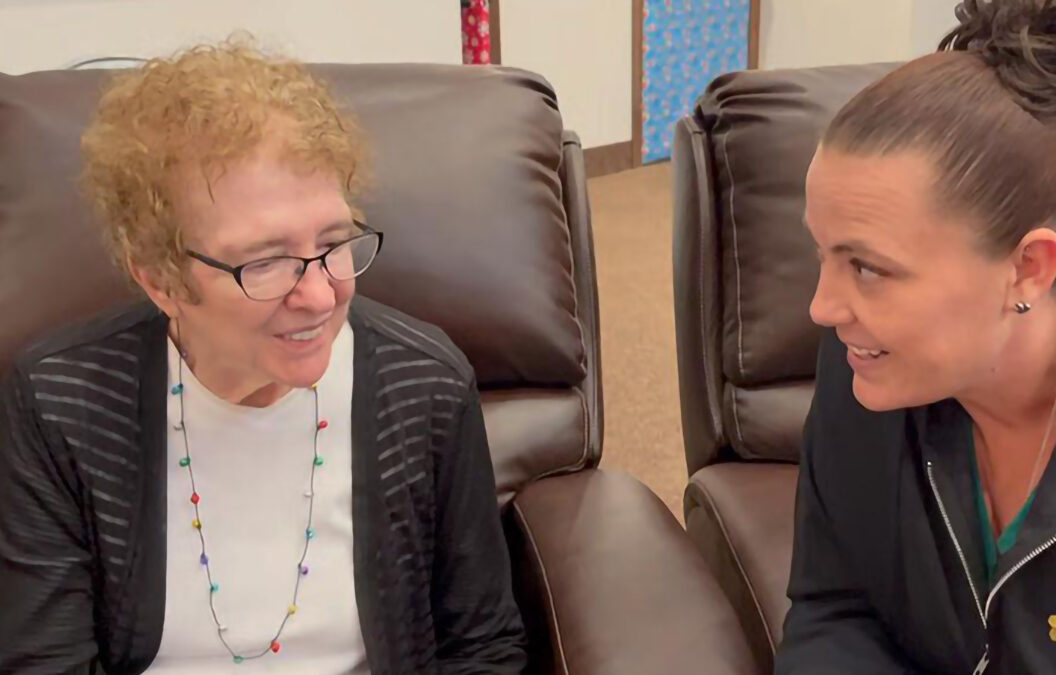
The psychological labor nobody talks about
Care decisions often stir old marital functions. The spouse who handled money may focus on costs and long-term sustainability. The partner oriented to hospitality may obsess over whether a caretaker will fold towels the "best" method. In some cases a relocate to assisted living activates grief that appears like anger. "This isn't who we are." That reaction is regular and is worthy of time.
I've discovered to search for indications of burnout hidden behind politeness. A partner who reject deals of aid however stumbles over dates. A sink filled with dishes that didn't sit complete yesterday. A locked bedroom door because the partner with dementia gets up during the night and rifles drawers. These are red flags. If I hear, "We're fine," however the smoke alarm battery has actually been chirping for weeks, I take it seriously. Burnout does not reveal itself; it leakages into small cracks.
In those moments, even a modest increase in in-home care, two more early mornings a week, can support things. Or a short respite remain at an assisted living community can reset sleep and give the well partner a breather. If a community offers trial stays, use them. A week or 2 can decrease the stakes and provide accurate feedback about fit.
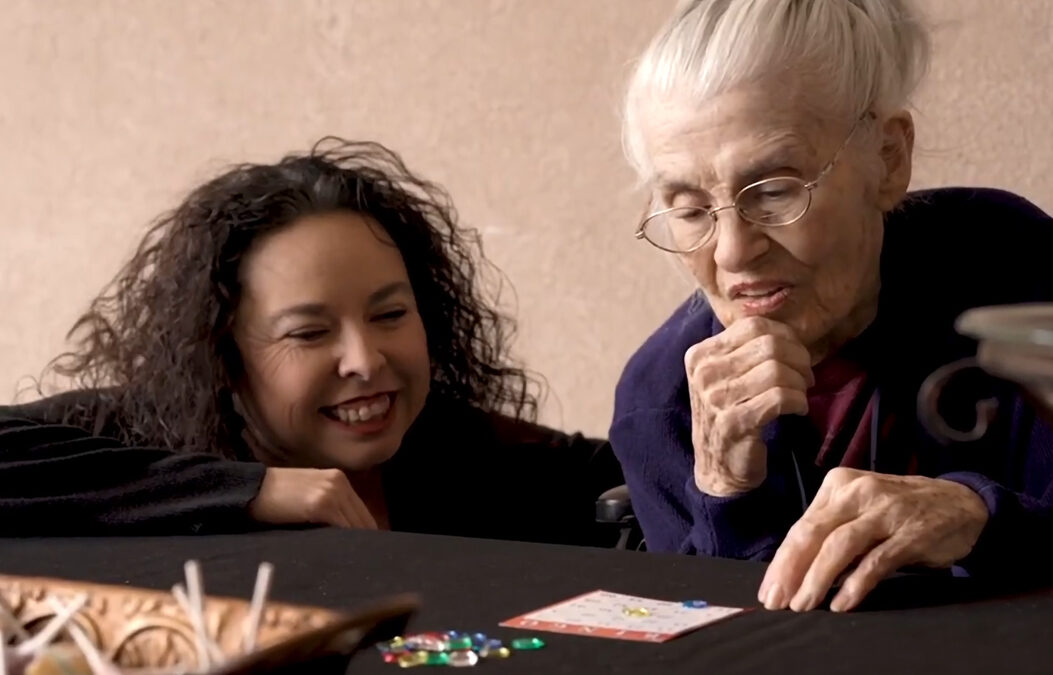
How couples examine quality, not simply brochures
When you're comparing home care companies, lean on specifics. Ask about caregiver dependability rates, average tenure, dementia training, and how elder care albuquerque nm they handle last-minute call-outs. Demand to fulfill the proposed caregiver before the very first shift. Good firms will do a joint visit and adjust if the chemistry isn't there. Also ask how they monitor. Do they do unannounced check? How often does a nurse or care manager evaluate the plan?
For assisted living, tour more than once. Visit late afternoon, when staffing can thin and resident energy dips. Watch a meal service from the edge of the dining room. Is it loud and hurried, or calm with adequate hands to help? Glance into activity calendars, then validate involvement by strolling past the occasion. Ask locals privately how they like living there and how well staff handle maintenance demands. Hang out in the apartment or condo restroom and kitchen area. Think of daily life. Exists enough area for 2 recliners, a small table, and personal touches?
Medication management is a crucial contrast point. In the house, a caregiver can cue and document medications, but a nurse is required for injections or complex injury care. In assisted living, medication professionals deal with administration, however verify how they track modifications after doctor sees. Miscommunication here triggers many preventable hospitalizations.
When the healthier partner is the swing vote
Often one partner withstands change more than the other. If the well partner brings a heavy load, their endurance becomes the choosing factor. I've seen marriages stress when the much healthier partner ends up being both caretaker and gatekeeper. Resentment grows silently: "I'm doing whatever, and you're saying no to help."
Put it on paper. List the jobs each person manages now, for how long they take, and what feels hardest. Consist of unnoticeable work: refilling prescriptions, sorting insurance coverage mail, arranging the plumbing professional. Designate a risk rating to tasks that could cause injury, like lifting in the shower. Something shifts when both spouses see the tally.
If one spouse highly opposes assisted living, but both concur security is nonnegotiable, trial a robust home care schedule for 60 to 90 days. Be specific: if specific metrics don't enhance, like reductions in falls or much better sleep, you'll revisit a move. This timebox provides the reluctant spouse a sense of control and a reasonable test. In my experience, either home care supports things well or the information supports the case for moving without casting blame.
Tiny details that pay off, whichever route you pick
Documentation smooths transitions. Keep a one-page medical summary for each partner: medical diagnoses, medications, allergies, main medical professionals, recent hospitalizations, baseline high blood pressure and weight, and emergency contacts. Update it monthly. Whether you're onboarding a brand-new senior caregiver or moving into assisted living, handing over that sheet limits errors.
Create a rhythms list: preferred wake times, typical breakfast, nap habits, any phrases that calm agitation, music favorites, and foods to avoid. A caretaker will use it on day one. Assisted living staff will post it on the care station and really consult it when things go sideways.
Simplify the home's physical design. Move daily-use products to waist height. Label drawers. Put a tough chair with arms in the kitchen. Change scatter carpets with slip-resistant mats or remove them. These little changes minimize falls and frustration.
Finally, prepare for happiness. Put it on the calendar. Friday movie night, slow strolls at a close-by pond, a Sunday call with grandkids. Couples who anchor care strategies in meaningful activities fare better. Care isn't only about preventing bad outcomes. It's about protecting the couple's shared life.
When the mathematics and the heart disagree
Sometimes the numbers make assisted living appearance sensible, but the couple's heart remains at home. Often at home senior care looks affordable for now, however you can see the slope ahead. In those cases, I ask two questions.
First, what result are we attempting to avoid most? A severe fall, caregiver burnout, a required relocation after a hospitalization? Let that fear guide the strategy. If burnout sits at the top, purchase more help now. If a fall is the worry, purchase the bathroom remodel before weekly massages.
Second, what outcome are we most hoping to protect? Quiet early mornings with the paper? Hosting the family for Thanksgiving another year? Shared privacy? Forming the plan around that, even if it costs a bit more or needs awkward compromises. I've seen couples keep Thanksgiving alive by generating a caretaker for meals and cleanup or by reserving the neighborhood's private dining-room and letting personnel aid plate the meal.
A practical contrast to ground your choice
Here is a succinct view that tends to clarify believing when couples decide in between home-based assistance and assisted living.
- In-home care preserves regimens, animals, and privacy. It scales by hours and can be surgical: help exactly when you need it. It depends on a safe home layout and the much healthier partner's willingness to coordinate. Costs differ with requirement, with high boosts for overnight or continuous coverage.
- Assisted living streamlines meals, housekeeping, and emergency situations. It stabilizes caregiving for both partners and can reduce marital stress by contracting out intimate care. It presents neighborhood schedules and less privacy, and expenses are more foreseeable however can climb with care tiers, specifically if one partner transitions to memory care.
Neither path is failure. Both are tools. Numerous couples use both over time, beginning with senior home care and moving later, often circling around back to extra at home assistance inside the community.
A short, honest checklist to check your direction
Use this fast gut check if you feel stuck.
- Are early mornings or nights regularly unsafe or stressful, even with restricted assistance? If yes, boost in-home care now or consider a move.
- Has the much healthier partner slimmed down, stopped hobbies, or begun making unusual errors with costs or medications? That signals burnout; generate more assistance immediately.
- Does the home's design create day-to-day barriers, like stairs to the only restroom or narrow doors for a walker? If fixes aren't practical, assisted living might be safer.
- Is one partner revealing behavioral symptoms of dementia that disrupt sleep or security? A memory care plan, in the house or in a secured unit, must be on the table.
- Can your budget sustain the chosen model for at least 12 months, with a prepare for what takes place if requirements escalate?
If three or more answers push in one instructions, trust that nudge and style a strategy around it. Reassess in 60 to 90 days.
Final ideas from the field
When couples select a course that lines up with their daily truth rather of their idealized past, whatever gets simpler. In-home care can deliver remarkable quality of life when requirements are moderate and the house supports safety. Assisted living can lift a squashing load and aid partners recover their relationship when jobs and threats multiply. The healthiest choices rarely feel victorious. They feel steady. They lower chaos a little each week.
If you're in the middle of this decision, start small however begin now. Add targeted help. Tour two neighborhoods. Talk candidly with each other about what you fear and what you want to keep. In a month, the picture will sharpen. In six months, you'll be pleased you didn't await a crisis to choose.
FootPrints Home Care is a Home Care Agency
FootPrints Home Care provides In-Home Care Services
FootPrints Home Care serves Seniors and Adults Requiring Assistance
FootPrints Home Care offers Companionship Care
FootPrints Home Care offers Personal Care Support
FootPrints Home Care provides In-Home Alzheimer’s and Dementia Care
FootPrints Home Care focuses on Maintaining Client Independence at Home
FootPrints Home Care employs Professional Caregivers
FootPrints Home Care operates in Albuquerque, NM
FootPrints Home Care prioritizes Customized Care Plans for Each Client
FootPrints Home Care provides 24-Hour In-Home Support
FootPrints Home Care assists with Activities of Daily Living (ADLs)
FootPrints Home Care supports Medication Reminders and Monitoring
FootPrints Home Care delivers Respite Care for Family Caregivers
FootPrints Home Care ensures Safety and Comfort Within the Home
FootPrints Home Care coordinates with Family Members and Healthcare Providers
FootPrints Home Care offers Housekeeping and Homemaker Services
FootPrints Home Care specializes in Non-Medical Care for Aging Adults
FootPrints Home Care maintains Flexible Scheduling and Care Plan Options
FootPrints Home Care is guided by Faith-Based Principles of Compassion and Service
FootPrints Home Care has a phone number of (505) 828-3918
FootPrints Home Care has an address of 4811 Hardware Dr NE d1, Albuquerque, NM 87109
FootPrints Home Care has a website https://footprintshomecare.com/
FootPrints Home Care has Google Maps listing https://maps.app.goo.gl/QobiEduAt9WFiA4e6
FootPrints Home Care has Facebook page https://www.facebook.com/FootPrintsHomeCare/
FootPrints Home Care has Instagram https://www.instagram.com/footprintshomecare/
FootPrints Home Care has LinkedIn https://www.linkedin.com/company/footprints-home-care
FootPrints Home Care won Top Work Places 2023-2024
FootPrints Home Care earned Best of Home Care 2025
FootPrints Home Care won Best Places to Work 2019
People Also Ask about FootPrints Home Care
What services does FootPrints Home Care provide?
FootPrints Home Care offers non-medical, in-home support for seniors and adults who wish to remain independent at home. Services include companionship, personal care, mobility assistance, housekeeping, meal preparation, respite care, dementia care, and help with activities of daily living (ADLs). Care plans are personalized to match each client’s needs, preferences, and daily routines.
How does FootPrints Home Care create personalized care plans?
Each care plan begins with a free in-home assessment, where FootPrints Home Care evaluates the client’s physical needs, home environment, routines, and family goals. From there, a customized plan is created covering daily tasks, safety considerations, caregiver scheduling, and long-term wellness needs. Plans are reviewed regularly and adjusted as care needs change.
Are your caregivers trained and background-checked?
Yes. All FootPrints Home Care caregivers undergo extensive background checks, reference verification, and professional screening before being hired. Caregivers are trained in senior support, dementia care techniques, communication, safety practices, and hands-on care. Ongoing training ensures that clients receive safe, compassionate, and professional support.
Can FootPrints Home Care provide care for clients with Alzheimer’s or dementia?
Absolutely. FootPrints Home Care offers specialized Alzheimer’s and dementia care designed to support cognitive changes, reduce anxiety, maintain routines, and create a safe home environment. Caregivers are trained in memory-care best practices, redirection techniques, communication strategies, and behavior support.
What areas does FootPrints Home Care serve?
FootPrints Home Care proudly serves Albuquerque New Mexico and surrounding communities, offering dependable, local in-home care to seniors and adults in need of extra daily support. If you’re unsure whether your home is within the service area, FootPrints Home Care can confirm coverage and help arrange the right care solution.
Where is FootPrints Home Care located?
FootPrints Home Care is conveniently located at 4811 Hardware Dr NE d1, Albuquerque, NM 87109. You can easily find directions on Google Maps or call at (505) 828-3918 24-hoursa day, Monday through Sunday
How can I contact FootPrints Home Care?
You can contact FootPrints Home Care by phone at: (505) 828-3918, visit their website at https://footprintshomecare.com, or connect on social media via Facebook, Instagram & LinkedIn
FootPrints Home Care is proud to be located in the Albuquerque, NM serving customers in all surrounding communities, including those living in Rio Rancho, Albuquerque, Los Lunas, Santa Fe, North Valley, South Valley, Paradise Hill and Los Ranchos de Albuquerque and other communities of Bernalillo County New Mexico.